













The Cooke School and Institute is an NYC-based program that provides educational opportunities to neurodivergent students between ages 5-21. St. John’s University has partnered with the Cooke School to immerse the college-aged participants in University offerings.
Ishita Khemka, a Professor of Special Education and liaison with the Cooke School, explained that the goal of the program is to “provide inclusive, strengths-based college experiences to young adults with disabilities.”
This semester, a new digital arts track was developed, allowing the students to develop skills in an area they are truly interested in.
Professor Joy Malone, who has been teaching photography at the University since 2011, works directly with the students in learning the fundamental skills of self-expression.
“My role is to be their professor, guiding them in building technical skills while encouraging confidence, creativity, connection to the photography’s history and the development of their unique point of view,” she told The Torch.
Malone added that photography goes beyond the manual skill for Cooke students; it also “creates space for expression, confidence and belonging.”
There were four students in this specific cohort: Christopher Winata, Camili Hernandez, Emma Suazo and Jason Alvarado. They each learned lessons that range from practical knowledge of photography to ways to navigate the college world.
Alvarado shared that he “enjoys creating and having fun taking pictures with the camera.” His excitement demonstrates that the program prioritizes the interests and happiness of students above all else.
Suazo echoed this sentiment, adding that the photography curriculum has helped her to see “the reality of humanity’s daily life.”
Winata agreed, explaining that “[photography] means feeling comfortable, looking to see nature.”
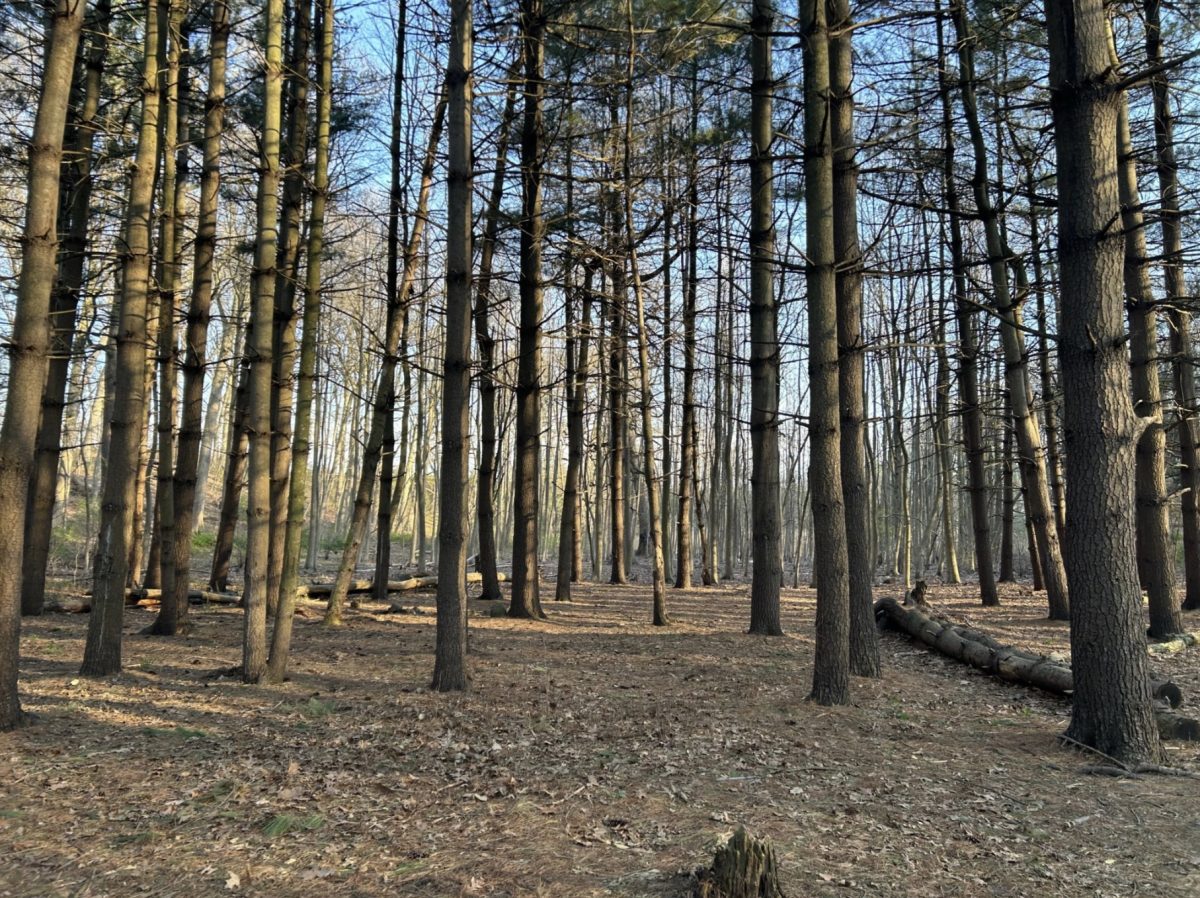
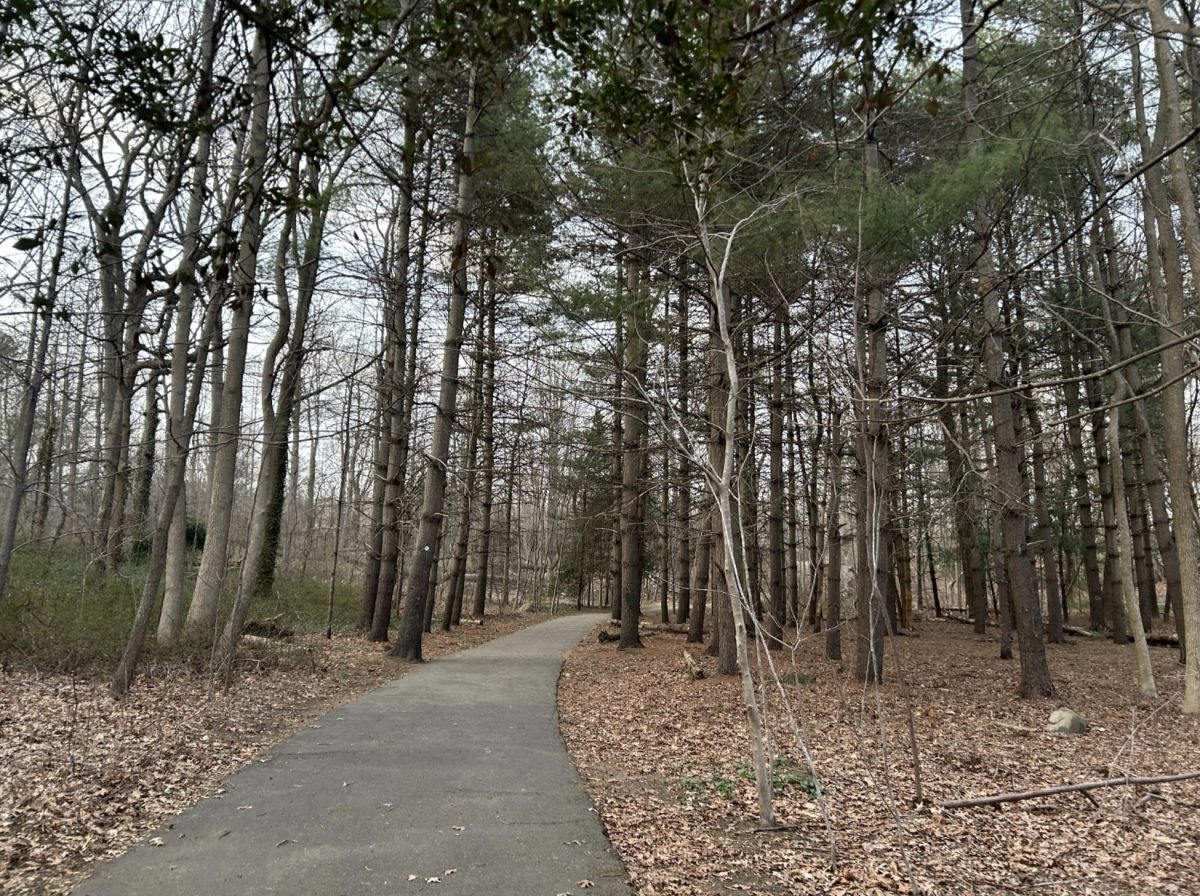
The students ventured off campus for many of their projects, allowing them to travel around the city and encounter various interesting subjects for their work.
Malone said that she brought the students on “photo walks around campus and on Union Turnpike” and that she is “most proud of seeing them engage with and capture what genuinely interests them.”
Hernandez said that her favorite photo was at the duck pond, highlighting how nature and other off-campus trips aided students in their creative development.
She explained that photography teaches “the reasons why we care about this earth.”
In addition to these broader life lessons, the photography program also taught the students technical skills that they can transfer to their future careers.
Winata believes “the most meaningful skill is the editing of photos in Adobe.”Alvarado agreed, adding that learning “shutter speed” was also a helpful experience.
The students are eventually able to be independent in their learning process, which is a fulfilling moment for them. Suazo shared that she is “proud of it by editing in Photoshop by [her]self.”
Hernandez had a similar feeling, explaining that “the best part is showing [her] photos to everyone.”
The Cooke Program has benefitted both the participants and those who work with them.
Michael May, a student worker who assists the Cooke students, described the joy he feels watching their growth.
“The young adults I have met in the Cooke program have been the focal point in my experience here at school, and have made each day coming into the classroom lots of fun.”
He added that he “wouldn’t trade [the experience] for anything.”
The combination of practical development and genuinely joyful interactions based in art has made the program truly special.
Malone concluded by emphasizing that “the most meaningful lesson has been that storytelling and creativity look different for each student, and meeting them where they are brings out their strongest work.”
Ian • Apr 21, 2026 at 4:47 am
I love your personalites when it comes to your art and im gonna miss you Jason when you graduate!
– Ian